
Qigong Exercises

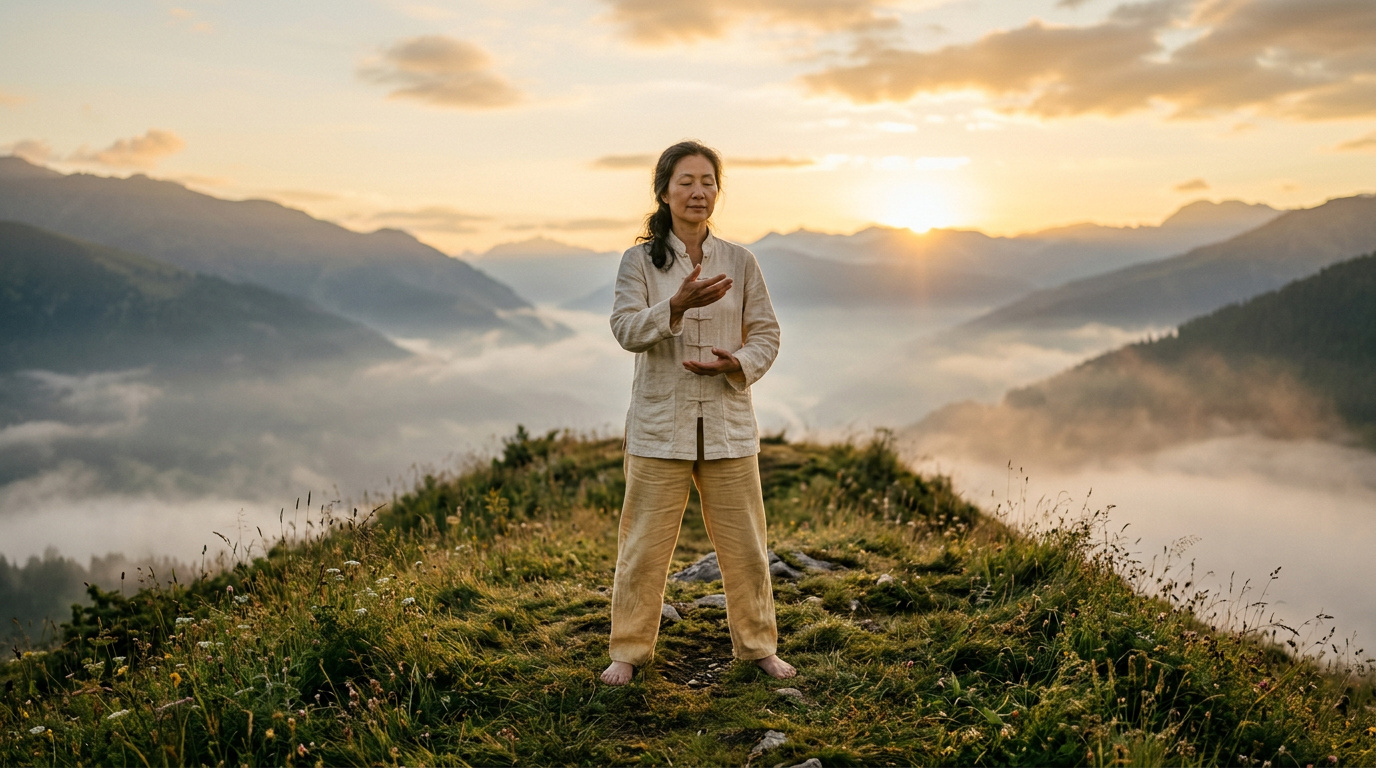
Qigong and meditation are to exercise your body, mind, and qi. Usually, the word exercise refers to only the body movements. However, in qigong practice, we have qigong exercises with body movements which are called dynamic qigong forms. We also have qigong exercises with no body movements which are called static qigong forms, or qigong meditation.

However, we include those dynamic qigong forms in this section. The static qigong forms are included in qigong meditation section. You will find tips and advice and even simple forms about some popular qigong practices in this section. Before you read any articles about how to do qigong exercises, you want to check out our qigong for beginners ultimate guide first.

  • Moving Meditation for People Who Can’t Sit Still

    The instruction to sit still assumes the body is ready for stillness. For many people, it is not. The moving form of qigong — 动功 — is built for restless minds. Here is what it does, and why it works differently from the meditation you have already tried.

  • Should I Stop Exercising? The Honest Answer

    Is too much exercise bad for you? The honest answer is no — but most people training without a refilling practice are depleting a reservoir they cannot see. Here is the 70% reframe that changes the whole equation.

  • Why Standing Still Could Do More for You Than Your Workout

    Zhan zhuang — standing like a tree — registers as nothing on a fitness watch. Inside, it does something cardio was never designed to do: replenish the foundational reservoir that every workout spends. Here is why standing meditation benefits run deeper than most people expect.

  • Exercise That Spends Your Energy vs. Practice That Builds It

    Western fitness culture tracks every calorie you burn and nothing you lose. Understand the difference between exercise that spends your energy and qigong practice that builds it — and why you need both.