
What Is a Meridian? A TCM Explanation
Have you ever wondered how an acupuncturist can needle a point on your foot to help relieve a headache? Or how pressing a specific spot on your hand might support your digestion? The answer lies in understanding meridians — one of the most fundamental concepts in Traditional Chinese Medicine (TCM). What Exactly Is a Meridian?
 By Onenergy Qigong Institute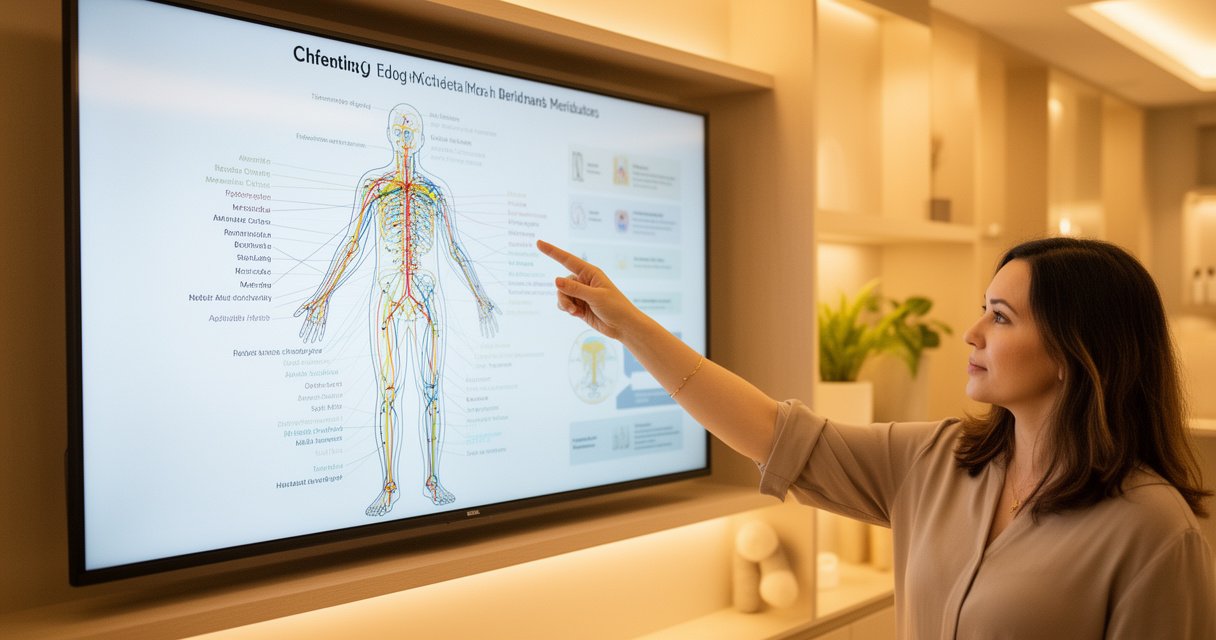
In this article
Have you ever wondered how an acupuncturist can needle a point on your foot to help relieve a headache? Or how pressing a specific spot on your hand might support your digestion?
The answer lies in understanding meridians — one of the most fundamental concepts in Traditional Chinese Medicine (TCM).
What Exactly Is a Meridian?
Think of meridians as pathways — invisible channels that run throughout your body. They are not blood vessels. They are not nerves. They are something else entirely.
Meridians connect your internal organs to the surface of your body. They create a network where Qi (your life force energy) flows freely.
Here is a simple way to visualize it: imagine a subway system. Just as trains travel through underground tunnels connecting different stations, Qi travels through meridians connecting different parts of your body.
Why Does This Matter?
Because meridians explain how TCM practitioners can address health issues that might seem distant from the point being treated.
- Foot to head connection: A point on your foot might be needled to help a headache because they share a meridian pathway.
- Hand to digestion connection: Pressing a specific hand point might support your digestive system through the same principle.
This is why two seemingly unconnected areas of your body can be intimately linked through TCM.
5,000 Years of Wisdom
Chinese medicine practitioners have mapped these meridian pathways over thousands of years. What started as ancient observation has become a sophisticated system for understanding health and wellness.
What Does Modern Science Say?
Interestingly, modern researchers have found something measurable along these meridian pathways: increased electrical conductivity. While this does not fully explain how meridians work, it suggests there is a real physiological basis for these ancient pathways.
The 12 Primary Meridians
There are 12 primary meridians in the body, each connected to a major organ:
- Lung, Large Intestine, Stomach, Spleen, Heart, Small Intestine
- Urinary Bladder, Kidney, Pericardium, Triple Burner (San Jiao), Gall Bladder, Liver
These meridians are divided into Yin and Yang pairs, reflecting the balance of opposing forces that TCM recognizes in health.
Supporting Your Meridian Health
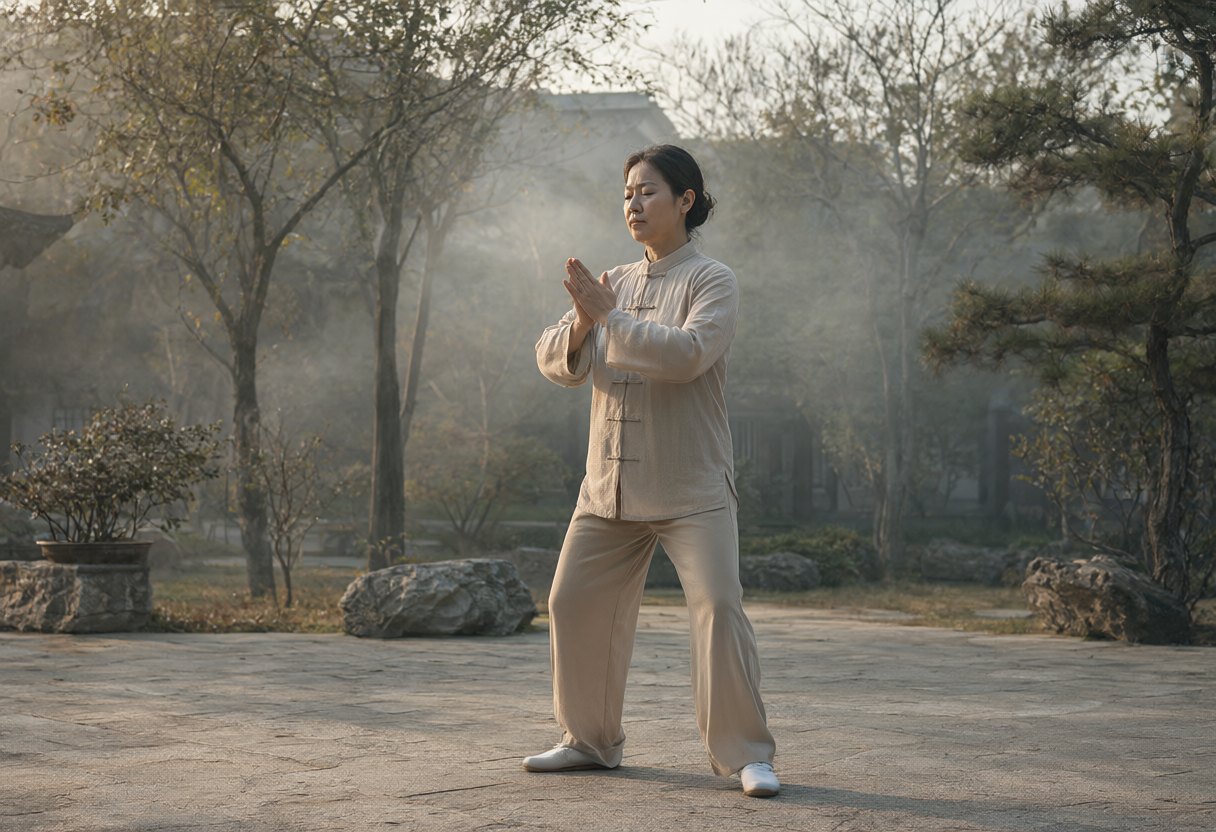
In Qigong practice, we work with these meridian pathways through gentle movement, breathwork, and meditation. Regular practice helps maintain the free flow of Qi through these channels.
When Qi flows smoothly, we experience better health, improved energy, and greater balance.
Learn more about your body and its meridian system — it is a journey of discovery that connects ancient wisdom with modern understanding.
This blog is part of the Meridian Education Video Campaign. Stay tuned for more insights into TCM meridian health.