
Build Energy First, Then Sit Still: The Secret the Monks Discovered 1,500 Years Ago
The traditional legend of Bodhidharma and the Shaolin monks contains a precise insight about meditation and energy: stillness on a depleted body produces sleep, not depth. The tradition’s own answer was movement first. Here is what that means for modern practitioners.
 By Onenergy Qigong Institute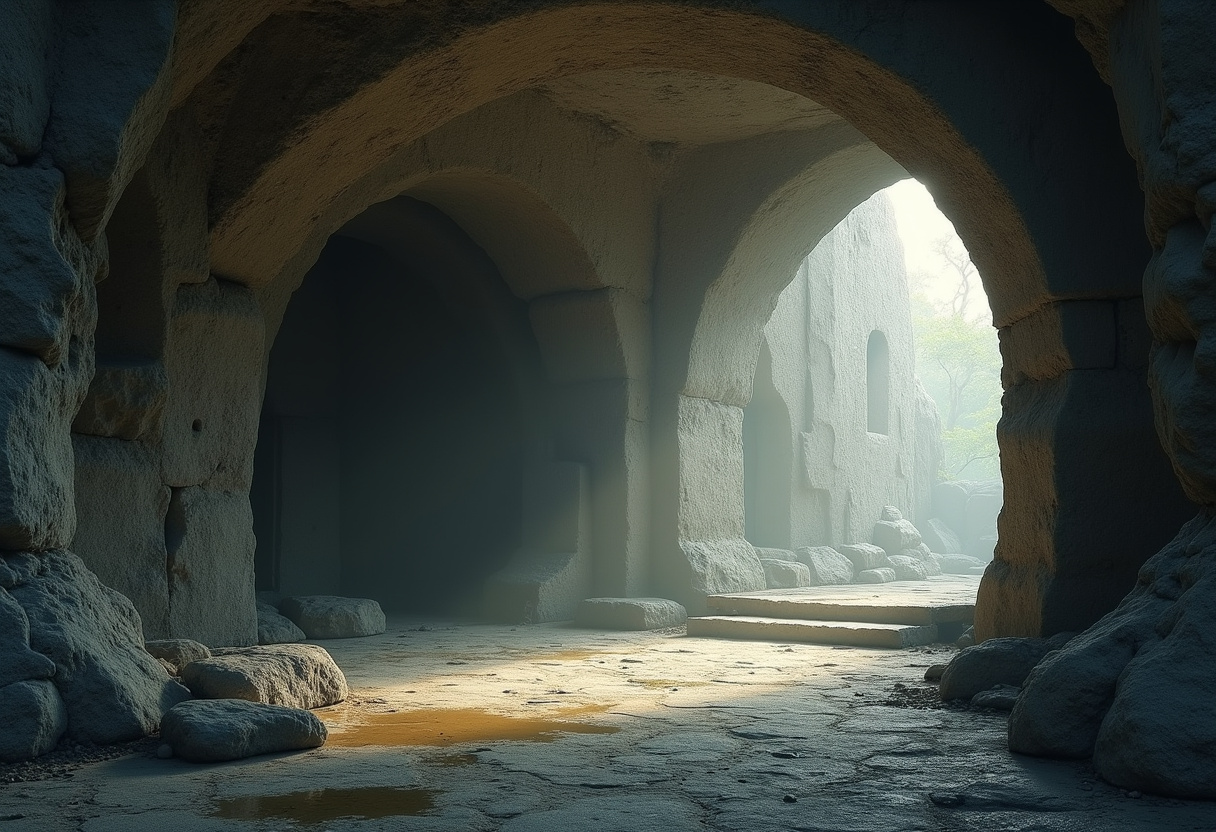
In this article
- Bodhidharma Shaolin exercises: the legend at the origin
- Why did monks do exercises before meditation? The answer from the legend
- What the monks needed that the relaxation tradition never gave them
- What the Shaolin exercises were actually doing
- A living principle, not just an old story
- Explore the moving form with the Onenergy App
If you have ever wondered why monks practiced martial arts and physical exercises — why a tradition built on inner stillness would also produce vigorous, disciplined movement — the answer goes back fifteen hundred years to a single story. It is a story that reframes everything most modern people assume about meditation, energy, and what the body needs before it can hold real stillness.
The story is traditional legend. It has been passed down through generations of practitioners and storytellers. It is not documented history in the modern academic sense. But as a teaching story, it contains something precise and true — a discovery that the deepest traditions arrived at long before any of us put on a meditation cushion.
Bodhidharma Shaolin exercises: the legend at the origin
As the story has been told for centuries: around the fifth or sixth century, a monk named Bodhidharma traveled from India to China. He is credited as a founding figure of what would become Chan Buddhism — the tradition the Japanese would later call Zen. The legend says he arrived at the Shaolin Temple and, finding the monks unwilling or unable to receive his teaching, retreated to a cave on a nearby mountain. There, he sat facing a wall and meditated for nine years.
Nine years. Not ten minutes before bed. Not a weekend retreat. A lifetime given to a single practice, facing a wall in a cave, until the practice was complete.
When he finally descended and encountered the monks again, the story continues with a detail that matters most for this post. He found the monks in a state he had not expected. They were weak. They fell asleep in their sitting meditation. They became ill. They could not hold the stillness that deep practice requires. Their bodies were not strong enough for what their tradition was asking of them.
Why did monks do exercises before meditation? The answer from the legend
So, as the legend tells it, Bodhidharma gave the monks something they had not been given before. He gave them movement. Exercises — sequences of physical practice designed to build the body’s strength and get energy moving through it. Only then, once the body was stronger and the energy was flowing, could the monks hold the deep stillness that genuine meditation requires.
Build the energy first. Then sit.
This is the answer the legend encodes. And whether or not every detail of the story is historical, the principle it carries is real. It is the same principle that serious practitioners across many traditions have independently arrived at: you cannot impose stillness on a depleted system. Stillness on an empty body produces sleep, agitation, or illness — exactly what the monks in the story experienced. Stillness on an energized body produces depth.
What the monks needed that the relaxation tradition never gave them
In 1975, a Harvard cardiologist named Herbert Benson identified the stress-lowering mechanism of quiet sitting and published it as the Relaxation Response — a clinical tool hospitals could use. It is a useful relaxation exercise. It was never designed to build energy.
Bodhidharma’s monks were attempting something far deeper. And they discovered, the hard way, that you need a strong and energized body to hold that depth.
What the Shaolin exercises were actually doing
The exercises associated with the Shaolin tradition in this story are understood, in the qigong framework, as forms designed to move and build the body’s energy — its qi. Slow, deliberate movement. Coordinated with breath and attention. Not the kind of exercise that depletes the body by spending energy, but the kind that gathers it, opens the channels it travels through, and leaves the practitioner stronger rather than tired.
This is the principle behind qigong’s moving form, called 动功. It is not exercise in the gym sense. It does not spend energy. It accumulates it. A session of moving-form practice ends with the body more open and the energy more available than when it began. That state — the energized, open body — is the foundation from which still practice becomes genuinely productive.
The monks needed this foundation before they could hold deep stillness. Modern practitioners need it too — perhaps more urgently, given how much demand a modern life places on the body’s reserves.
A living principle, not just an old story
What makes the Bodhidharma legend worth telling is not historical drama. It is the precision of the principle it preserves. The tradition itself — at its deepest level — recognized that energy must be built before stillness can work. This was not an afterthought or a concession to weak students. It was a discovery about how the human body and the human energy system actually operate.
You verify this in yourself. The person who attempts sitting meditation on a depleted, overstimulated body often finds the mind gets louder, not quieter. The person who spends time in gentle moving-form practice before sitting often finds the stillness arrives on its own. The body has been prepared. There is something to settle.
This order — movement first, stillness second — is not a modern modification of the tradition. It is, if the legend is to be believed, the tradition’s own correction.
Explore the moving form with the Onenergy App
Build energy first is not only a health idea. The same principle is why qigong is practiced as inner wealth qigong, cultivating the energy that fuels every goal.
If you want to experience what build-first practice actually feels like, the free Onenergy App gives you access to guided moving-form qigong that you can practice daily. The app is built for modern people — without requiring prior experience, religious belief, or a mountain cave.
Master Dai also runs live teaching events, including The Onenergy Way program, where the full sequence of moving and still practice is taught together. The live context lets you feel the principle in your own body — which is the only way to know whether any of this is real.