Why You Feel Drained After Socializing (Even When It Was Fun)
You had a genuinely good time. Nobody upset you, nothing went wrong, and you laughed for most of the evening. Then you get home, sit down, and cannot get back up. If you are asking why you feel drained after socializing even when it was fun, the honest answer has nothing to do with liking your friends less than you thought. It has to do with what a good time actually costs.
People assume that only bad interactions drain you — an argument, a difficult conversation, someone demanding and never giving anything back. That is true, but it is only half the picture. Joy spends qi too. So does laughter, connection, and hours of animated conversation. The emotion does not have to be negative for it to move real energy through you.
Emotion moves qi — all of it, not just the hard kind
Strong emotion moves your qi faster than almost anything else. This is easiest to see with anger. In Chinese, when someone becomes angry, the phrase is sheng qi — sheng means to make. Anger is not simply a feeling you have; it is qi being made, quickly and in quantity. That new qi has to go somewhere, which is part of why an argument leaves both people exhausted afterward, even though neither one “won.”
Sadness works the same way, just slower — it moves downward and keeps drawing on your qi for a long time after the day it started. And joy is no exception. Laughter opens the chest and lets qi move outward, the same basic mechanism, just with a lighter feeling attached to it. A little laughter opens you up. Three hours of it, night after night, empties you the same way three hours of anything intense would.
Why a wonderful evening can still leave you flat
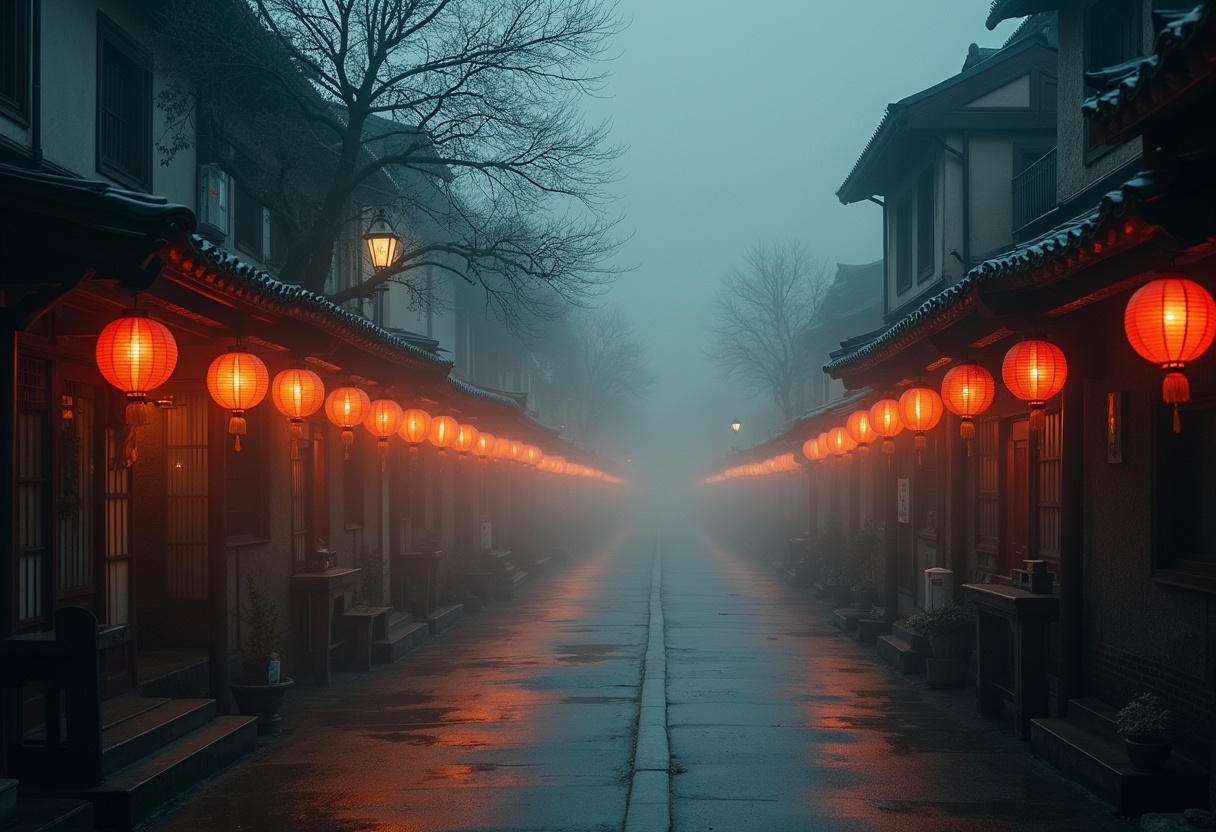
This is the part that catches people off guard. You can have an excellent night — good friends, real laughter, nothing to regret — and still come home completely empty, because the evening moved a great deal of qi outward for hours, and very little of it came back in that time. It is not that anything went wrong with the people or the conversation. It is that sustained emotional and social output, even good output, is still output.
There is no villain here and nothing to feel bad about. You did not do socializing wrong, and your friends did not do anything to you. Strong emotion — including the good kind — simply moves qi out into the room, and a long stretch of it adds up the same way any spending does.
What actually determines how drained you feel
Two things shape how much a social evening costs you. The first is how much you spend and for how long — three hours of laughing costs more than twenty minutes of it, the same way a long argument costs more than a short one. The second is what field you’re around while you spend it. If the room is full of steady, easy energy, the cost is lighter. If someone in the group is scattered or demanding your attention constantly, you are also doing the invisible work of holding your own rhythm on top of everything else, and that adds to the bill.
Neither of these means socializing is bad for you or that you should do less of it. The rule is not “laugh less.” Moving qi through joy and connection is not the problem — it is one of the good ways to spend it. The problem shows up specifically when you spend for hours and then go straight to bed on empty, with nothing to help you settle back down.
What to do about it
After a big social night, give yourself a few quiet minutes before sleep instead of going straight from the noise of the evening into bed. That settling matters — it is the difference between qi that gets to return to a resting state and qi that simply stays scattered overnight. This is a small, immediate fix, and it works the same night you use it.
The longer answer is building a fuller, steadier field of your own, so the same evenings simply cost less to begin with. This is what a daily qigong practice is for — not cutting joy out of your life, but making sure you have enough qi in reserve that spending an evening on people you love does not leave you completely empty the next morning. You build your whole life out of qi, including the parts of it that are supposed to feel good. Having enough of it is what lets you enjoy an evening fully and still have something left for the life you’re building.
The free Onenergy app carries a short guided daily practice for exactly this kind of steady rebuilding, plus a weekly Saturday Group Qi Healing session. A full program on managing and directing your own energy is coming — the daily practice is already there, ready whenever an evening leaves you needing it.
Related reading
- What is qigong? A complete guide
- Am I an Empath, or Is Something Simpler Going On?
- Does Protecting Your Energy Actually Work?
- Are Energy Vampires Real? The Honest Answer