What Does Kung Fu Really Mean? The Skill the Word Was Always About
Ask most people what kung fu means and you get the same picture back every time: someone in loose black clothing knocking out five opponents in a courtyard. That is the association the word carries in English, and it has carried it for decades. But what does kung fu really mean in the language it actually comes from? Something quieter, and something that has nothing to do with fighting at all.
The word is 功夫 — gōngfu — and once you hear what it is built from, you will notice it standing inside a word you already use every week: qigong.
So what does kung fu really mean?
Look at the first character on its own. 功 — gōng — is made of two pieces. On the left, a carpenter’s square: a tool for work. On the right, the character for strength. Put together, gong is not the effort itself. Gong is what the effort produced. It is the same character a Chinese physics teacher writes on the board for the word “work” — force applied, something moved. Effort that showed up as a result, rather than effort that simply happened and disappeared.
Now add fu, and you have gongfu — kung fu, in the older English spelling. The gong in kung fu is the exact same character as the gong in qigong. Not a coincidence, not a similar-sounding word borrowed from somewhere else. The same word, doing the same job in both places, hundreds of years before either word ever reached an English sentence.
Kung fu arrived in English attached to martial arts films and stayed there, and that is simply how the word travelled once it crossed into another language — a narrow slice of its full meaning is what made the trip, the way translated words often do. That does not change what the word actually means at home. In everyday Chinese, kung fu was never a fighting term on its own. It is a word for skill that only time can produce, and fighting is only one of the countless things a person can spend years getting good at.
Skill anyone can have
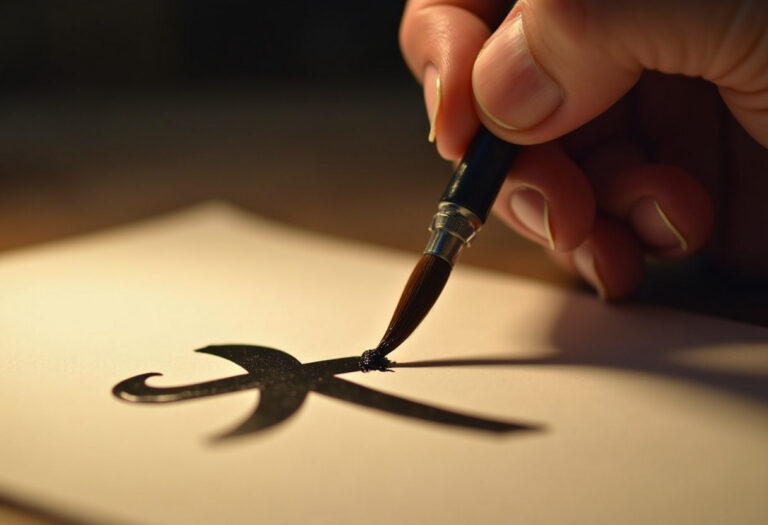
In China, you can say someone has kung fu and mean almost anything. A cook who has been cutting vegetables for thirty years has kung fu. A calligrapher whose brush moves without hesitation, letter after letter, has kung fu. A doctor who can put three fingers on your wrist and describe what is happening inside you has kung fu. Say it about any of them and nobody blinks, because nobody in that conversation is picturing a fight. The word was never fenced off for fighters — it belongs to anyone who has put in enough time at anything that the result stops looking like effort and starts looking like ease.
That is the whole definition, and it is worth sitting with for a moment because it is smaller and plainer than most people expect. Kung fu means skill that only time can build. Not talent someone was born with. Not a technique picked up quickly over a weekend course. Years, repeated honestly, until the result is undeniable to anyone watching.
The word that also means “time”
Here is the detail that makes the connection impossible to miss once you have heard it. In everyday Chinese, if I want to ask whether you have a free half hour, I do not ask for your schedule. I ask 你有功夫吗 — nǐ yǒu gōngfu ma — do you have gongfu?
Do you have time. The exact same word, used the way you would use “time” in an ordinary English sentence, with nothing about skill or fighting anywhere in it. The people who built this language had already noticed something worth noticing long before anyone wrote a self-help book about it: time and skill are, in daily practice, the same resource. You cannot buy either one back once it has passed. You can only spend it, and what you get in return is whatever you actually spent it on — a knife that moves without thinking, a brush that never hesitates, or nothing at all, if the time went somewhere else.

What this tells you about qigong
Once you know that the gong in qigong is the gong in kung fu, the name of the practice starts speaking differently. Qigong is not a class you attend once and grade yourself on, or a set of movements you either perform correctly or fail on the first try. It is qi — energy, invisible but real enough to move things — plus gong, the exact same skill a cook builds with a knife, a calligrapher builds with a brush, and you build with your own qi, one morning at a time.
You do not have to take any of that on faith. There is a simple, physical way to feel time doing something effort alone cannot do — holding one arm straight out and noticing the precise moment it stops feeling easy. Nothing is added except minutes, and the minutes change everything on their own. It is the same gong the cook and the calligrapher spent years building, felt directly in your own arm in under two minutes.
You verify it in yourself, the same way the cook, the calligrapher, and the doctor did before you — by returning to it, honestly, for long enough that the result stops being a coincidence and starts being simply true.
If you want a guided way to start building that kind of gong with your own qi, the Onenergy App is free to download and gives you a routine to return to tomorrow morning.
Related reading
- What Does “Gong” Mean in Qigong?
- Why Does Holding Your Arm Out Start to Hurt?
- Is Qigong Something You Do, or Something You Build?
- What Is Qigong? The Complete Guide